Camping innovations 2026: Driving licence and safety
Once again this year, camper van and motorhome owners can look forward to
and the entire camping industry. The European Union has adopted various measures that affect both driving licences and the technical equipment of motorhomes and camper vans. The aim of these reforms is to facilitate mobility, further increase road safety and ensure greater standardisation within the EU. For campers and manufacturers, this means far-reaching changes that will have a noticeable impact on travelling habits, vehicle technology and overall product development in the long term.
Below you will find a detailed overview of the the most important changes so that you start the season optimally prepared can.
Revision of driving licence categories
A key innovation concerns driving licence category B. Previously, vehicles up to a total weight of 3.5 tonnes could be driven with this licence. This limit is to be raised to 4.25 tonnes in future. The background to this measure is the technical development of modern motorhomes and camper vans: extensive safety and assistance systems, high-quality insulation, larger battery capacities and a general increase in comfort mean that many models are already close to the previous weight limit. With the new directive, the EU is responding to the reality of vehicle development and creating additional room for manoeuvre.
However, the extension will not apply automatically. An additional qualification is planned, which will be implemented either as training or as a test of skills and behaviour. The exact organisation is the responsibility of the EU member states. According to current information, Germany has up to four years to implement the new regulation. Industry experts assume that the practical introduction is realistic from November 2029 at the earliest.
Holders of the old driving licence category 3, i.e. driving licences acquired before 1999, remain unaffected by the changes. These drivers may continue to drive vehicles up to 7.5 tonnes without having to undergo additional training.
What remains unchanged despite the possible weight increase
Even though driving licence category B could cover a higher permissible vehicle range in the future, existing regulations such as the following continue to apply to all motorhomes and camper vans over 3.5 tonnes:
No overtaking for lorries
Maximum speed limit of 100 km/h on motorways
Higher toll costs
Nevertheless, the planned weight limit of 4.25 tonnes represents an enormous advantage for campers. Those who previously had to pay attention to every single kilogramme when loading the vehicle now have more flexibility. Less stringent weight specifications will also make future vehicle planning easier for manufacturers.
Configure your dream vehicle now in our configurator.
Mandatory safety features from July 2026
In addition to the driving licence reform, another important regulation comes into force: the General Safety Regulation II (GSR II). From July 2026, all newly registered vehicles, including motorhomes and camper vans, must be equipped with a range of modern safety and assistance systems. This EU requirement aims to reduce the number of road accidents in the long term and create a standardised safety basis throughout Europe.
The mandatory systems include
- Preparation for alcohol-based immobiliser
- Fatigue detection
- Intelligent speed assistant
- Reversing assistant
- Lane departure warning or lane departure warning system
- Emergency Brake Assist
- Tyre pressure monitoring system
- Cybersecurity requirements
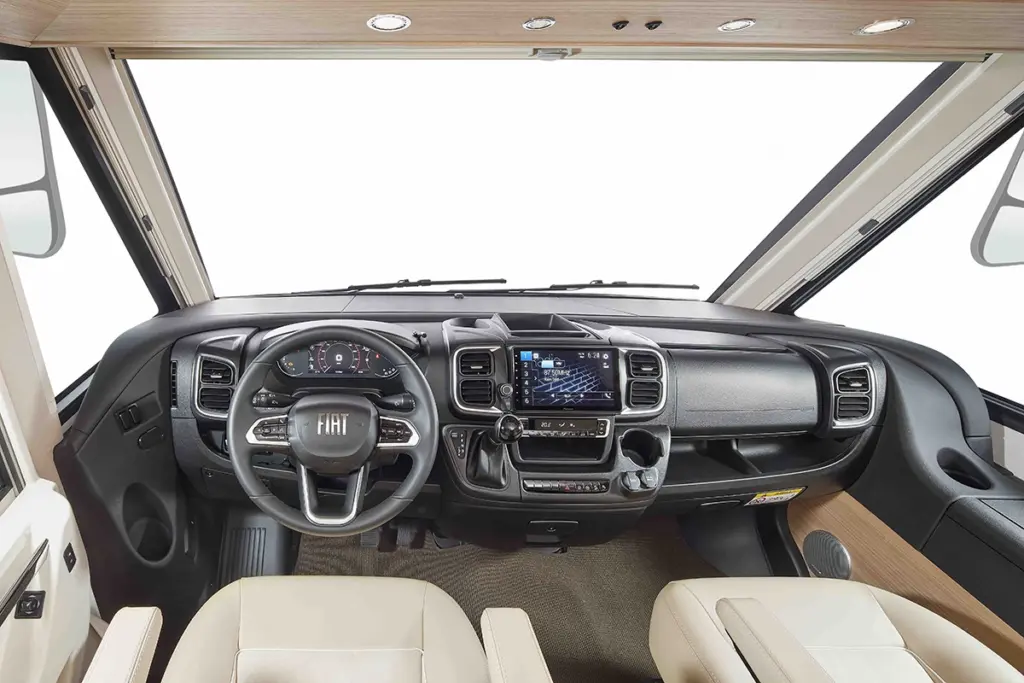
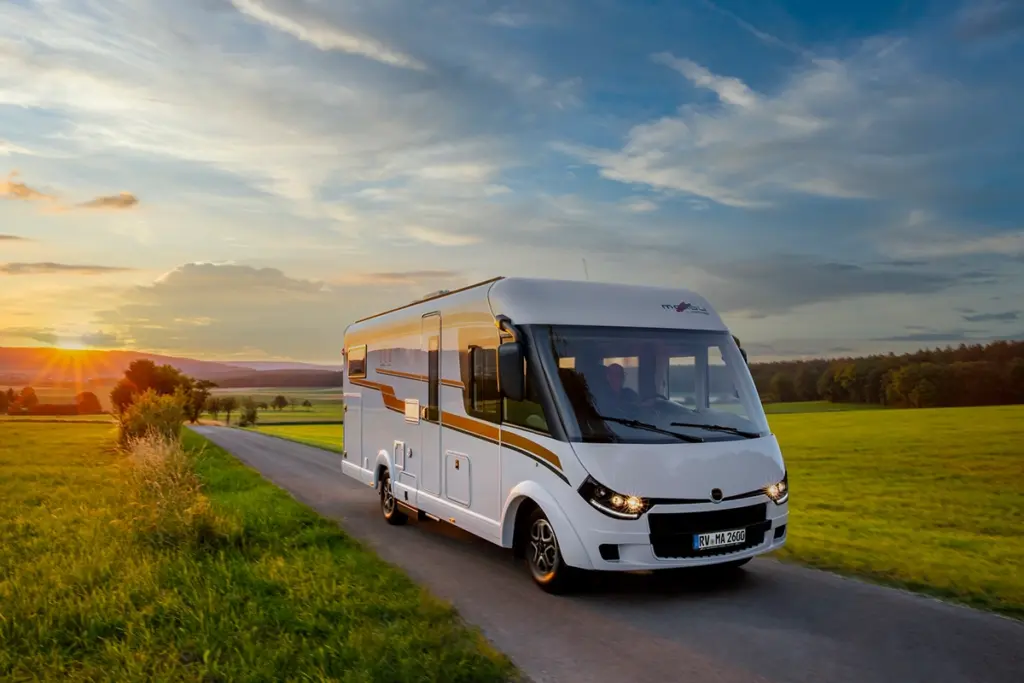
Some of these systems are already installed in many current motorhomes and camper vans. However, the GSR II sets binding standards throughout Europe, which in particular means an increase in safety. Assistance systems can provide valuable support and defuse dangerous situations, especially on long journeys, in confusing situations or in challenging weather conditions.
However, manufacturers must expect additional development costs in the future. Sensors, control units and safety software not only increase the complexity of vehicles, but also their weight. At the same time, moderate price increases can be expected, as the technically sophisticated equipment must be integrated as standard. In the long term, however, the GSR II is seen as significant progress, as it guarantees standardised safety levels and should reduce the number of accidents.
Effects on motorhome travellers and manufacturers
The new regulations from 2026 will bring noticeable changes for both campers and vehicle manufacturers. For travellers, the main focus is on greater security and more flexibility. The planned increase in the permissible vehicle mass for driving licence category B should make everyday life noticeably easier for many camper van and motorhome drivers. Loading, accessories or additional technology can be planned in a more relaxed manner in future without immediately reaching the limits of the 3.5 tonne class. However, there will be no relief in the short term, as implementation is not expected for at least three years.

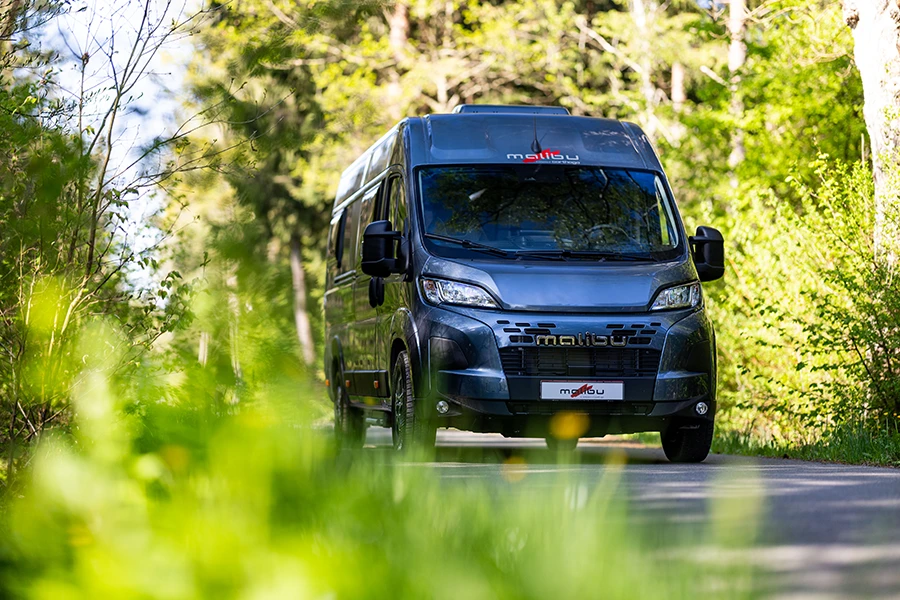
The mandatory introduction of modern assistance systems also creates a significantly higher level of safety. Motorhomes and camper vans are becoming more technically sophisticated, easier to operate and safer, an advantage especially on long journeys, when travelling at night or in complex traffic situations.
New challenges and opportunities are arising for manufacturers at the same time. On the one hand, they have to integrate the additional systems into the design and take into account the increased vehicle weight. On the other hand, they gain more freedom in the design of modern motorhomes and camper vans and will be able to offer more equipment, comfort and safety as standard without immediately coming into conflict with the weight limit.
Frequently asked questions and answers.
What driving licence do you need for a camper van or motorhome?
In principle, driving licence category B is sufficient for most motorhomes and camper vans. Provided that the vehicle does not exceed the maximum registration weight of 3.5 tonnes. In future, this limit is to be raised to 4.25 tonnes, but only after additional training or testing.
Which motorhomes and camper vans can be driven with a category B driving licence?
You are currently allowed to drive vehicles up to 3.5 tonnes with category B. With the introduction of the new EU regulation, this is to be extended to 4.25 tonnes. However, the 3.5 tonne limit will remain valid until national implementation, probably from 2028 at the earliest.
What will change for holders of the old category 3 driving licence?
For class 3 drivers, everything remains the same: They may
continue to drive vehicles up to 7.5 tonnes without additional qualifications.
Which assistance systems will be mandatory in new motorhomes and camper vans from July 2026?
Among other things: Driver Drowsiness Alert, Intelligent Speed Assist, Emergency Brake Assist, Lane Keeping Assist, Rear Traffic Alert, Tyre Pressure Monitoring System, cyber security requirements and preparation for alcohol-based immobiliser.
Will new motorhomes and camper vans become heavier or more expensive due to the new EU regulations?
Yes, additional sensors and assistance technology increase the vehicle weight slightly. At the same time, manufacturers have to plan for higher development and integration costs. Added to this are rising prices for chassis from Fiat, Mercedes and Iveco, which may also affect the final price in the long term.